Fault Tolerance and Consistency at Scale: Harnessing the Power of Distributed SQL Databases
A global bank can keep Indian user data in India while its apps run in the US. This is the power of distributed SQL.
#1about 3 minutes
The evolution from key-value stores to distributed SQL
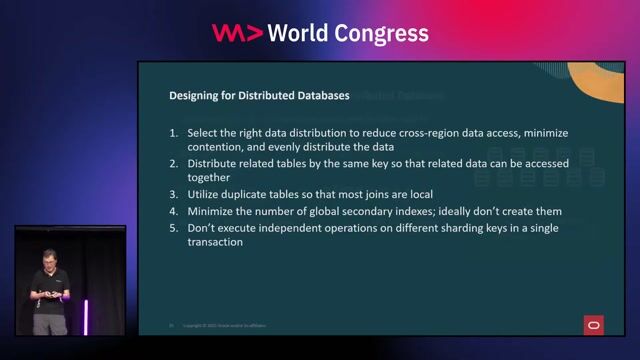
Modern distributed systems require strong consistency and a powerful query language, leading to the development of distributed SQL databases.
#2about 1 minute
Understanding the primary use cases for distributed databases
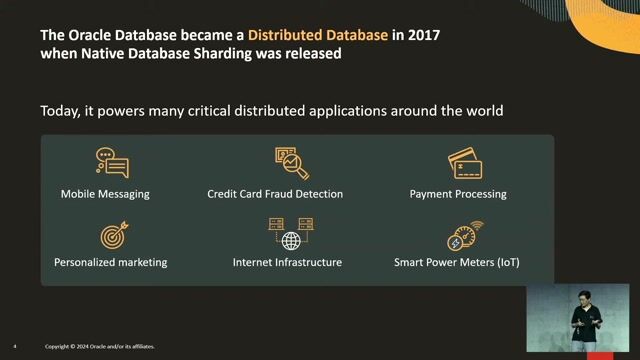
Distributed databases primarily solve for massive internet-scale workloads and help organizations comply with data sovereignty regulations.
#3about 3 minutes
How a distributed database works under the hood
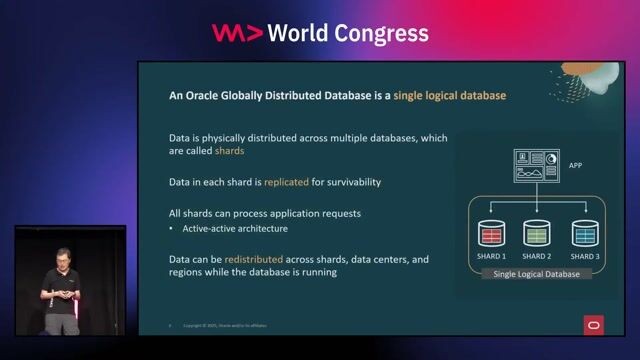
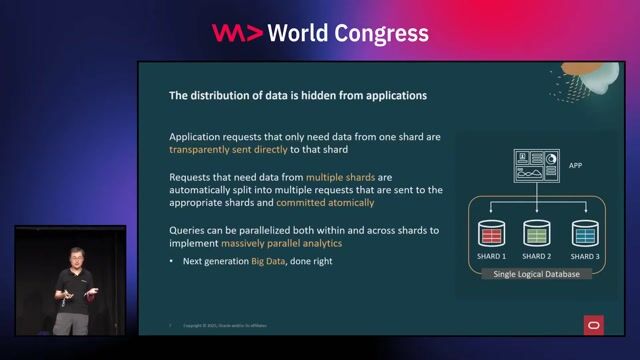
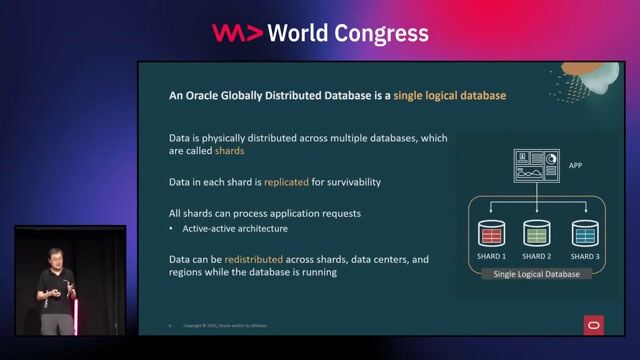
A distributed database presents a single logical view to applications while physically partitioning data into replicated, independently operating shards.
#4about 6 minutes
Choosing between distributed and clustered database architectures
Clustered databases offer the lowest latency within a data center, while distributed databases provide massive geographical scale at the cost of network latency.
#5about 4 minutes
Using database sharding to meet data sovereignty laws
A global bank implemented data sovereignty for India by sharding local customer data into a dedicated region without changing its core applications.
#6about 3 minutes
Supporting hyperscale workloads with a single database
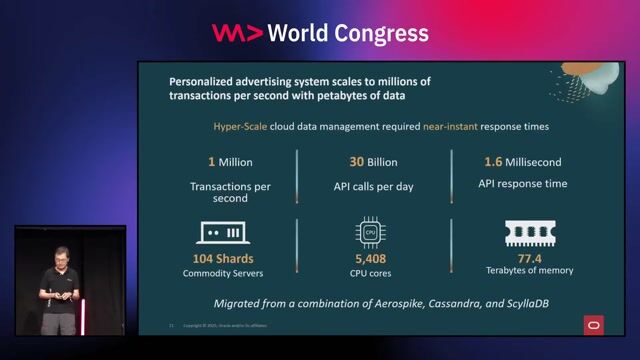
The BlueKai platform simplified its architecture and improved performance by migrating a complex, multi-database system to a single Oracle distributed database.
#7about 5 minutes
Optimizing performance with advanced data distribution methods
Flexible data distribution methods like composite, directory-based, and duplicated tables are crucial for minimizing latency and handling data skew.
#8about 2 minutes
Building resilient systems with modern replication protocols
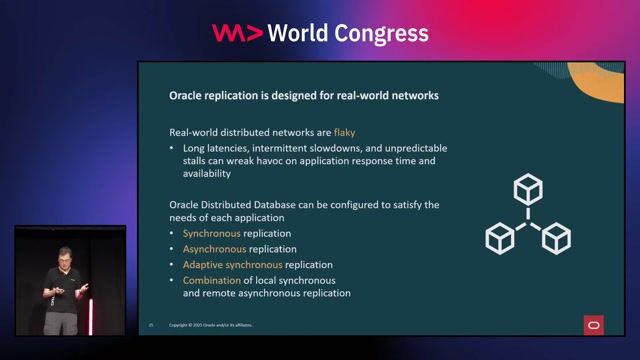
Using adaptive replication and the Raft consensus protocol provides extreme survivability and fast, automatic failover with zero data loss.
#9about 2 minutes
The converged database model for modern applications
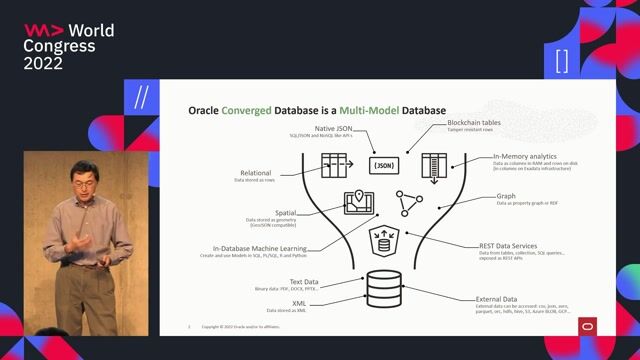
A converged database supports multiple data types and workloads in a single system, simplifying development and deployment across multi-cloud and on-premise environments.
#10about 2 minutes
Key features of a modern distributed SQL database
A fully-featured distributed database combines flexible data distribution, replication, and deployment methods within a converged architecture for maximum power.
Related jobs
Jobs that call for the skills explored in this talk.
Why Attend a Developer Event?Modern software engineering moves too fast for documentation alone. Attending a world-class event is about shifting from tactical execution to strategic leadership.
Skill Diversification: Break out of your specific tech stack to see how the industry...
Christina Schaireiter
5 Reasons Why Attending Conferences in 2026 Matters More Than You ThinkIt’s 2026, and the “remote vs. office” debate has finally settled into a high-tech hybrid reality. While we’ve perfected the art of shipping production-grade code from decentralized hubs and home setups, something shifted. We realized that while AI c...